
The killers of 11 transgender people in Washington have yet to be convicted
Content warning: This article details violence against transgender people. Discretion is advised.
On October 14, 2023, someone killed A’nee Roberson.
An unknown person pushed Roberson into the street, where a car struck and killed her, according to the Metropolitan Police Department’s web page about Roberson. MPD released photos and a video of a person of interest, but the killer was never prosecuted.
Roberson is one of six trans people listed on MPD’s “Open or Unsolved Transgender Homicides” web page. A database tracking homicides of trans people published by Everytown, a gun violence prevention organization, lists three more victims whose killers have yet to be convicted. And an investigation into a double homicide of two trans women identified a deceased suspect 18 years later.
That makes 11 cases but no convictions yet. One of those cases, however, is making its way through D.C. Superior Court as of March 30.
Everytown’s data includes cases from 2017 through 2025. It’s possible MPD closed cases before 2017, but AWOL could not find a record of them.
Killings of trans people in Washington echo national patterns. Since 2013, transgender women have made up 82.3% of all victims of fatal violence against trans people, according to a November 2025 report from the Human Rights Campaign. Black trans women made up 70.4% of those victims. Ten of the 11 trans people killed in Washington were trans women. All 11 were Black.
A senior police officer, two policing experts and a local LGBTQ+ advocate said the lack of trust between the trans community and law enforcement impacts investigating those homicides and other crimes against trans people. Without trust, those experts said the transgender community is less likely to enlist police assistance and cooperate with police investigations. Law enforcement agencies, including MPD, have made progress in building trust with trans people, those people said.
In a written statement, an MPD spokesperson told AWOL that MPD’s homicide detectives are some of the most experienced investigators in the country. They said detectives put thousands of hours each year into delivering justice to homicide victims’ families and accountability to killers, work that led to an 85% case closure rate in 2025.
“Homicides are some of the most complex investigations,” the spokesperson wrote. “Our recent steep decrease in homicides, down 63% compared to 2025, has allowed our detectives to spend more time working older open cases. We are committed to delivering justice in every open case. Anyone with information on any open homicide investigation should contact MPD immediately. Call us at 202-727-9099 or text us at 50411. MPD offers a $25,000 reward for information leading to an arrest and conviction in each homicide committed in the District of Columbia.”
Benjamin Takai, president of the board of Metro D.C. PFLAG, an LGBTQ+ advocacy group, said law enforcement needs to work to rectify the history of distrust be tween police and the transgender community.
“There’s always been a sense of trust issues between the trans community and the police department,” Takai said. “We are still trying to bridge that gap.”
Police reports, news clips and obituaries detail the deaths and lives of trans Washingtonians who have fallen victim to homicide.
Roberson’s neighbors and family members held a vigil for her in front of Nellie’s Sports Bar on Oct. 25, 2023, 11 days after she died. Gary Roberson, her father, spoke at the vigil along with Roberson’s friends and community members, according to an Oct. 23, 2023, video FOX 5 published.
In an Oct. 25 video of the vigil that WUSA 9 published, her father said he first found out Roberson was transgender when he walked in on her wearing a dress when she was a child. He said he dragged Roberson out of the bedroom she was in and told her not to hide. He said Roberson lived as she wanted.
“Me as a dad, I had no choice but to support her,” he said. “I was not going to seclude A’nee.”
Roberson’s death remains unsolved.
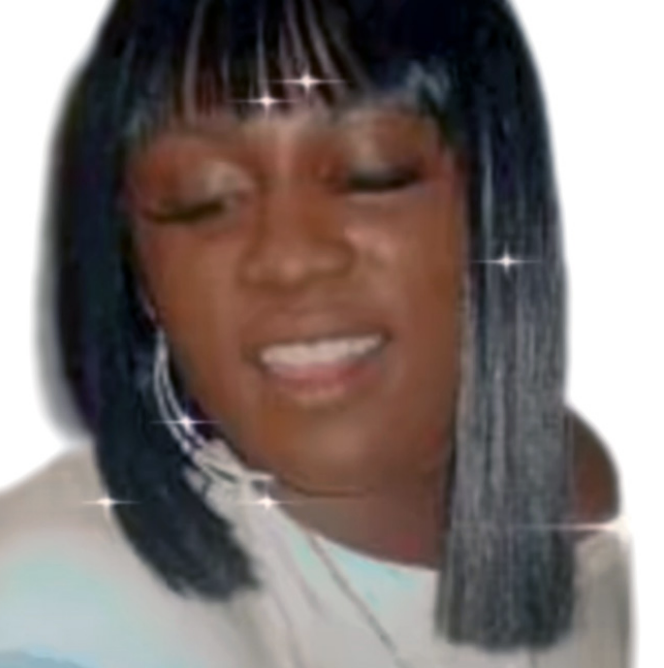
On Jan. 7, 2023, an unknown assailant stabbed and killed Jasmine Mack in Ivy City in the NoMa area, according to MPD’s web page about Mack. She left behind a sister, Pamela Witherspoon.
“I’ma miss most of all, miss her saying, ‘I love you sister, I love you, I’mma do right,’” Witherspoon said in a video WUSA 9 published two days after Mack’s death.
Mack’s death remains unsolved.
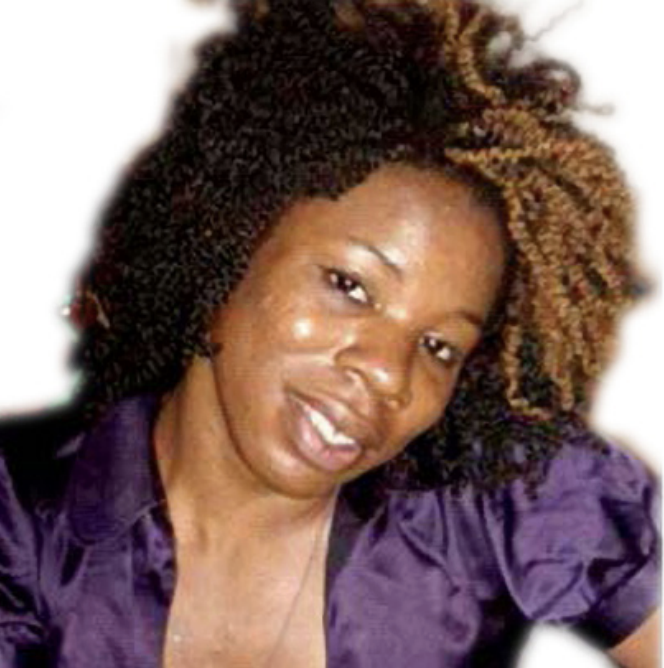
On July 20, 2011, an unidentified person shot and killed Lashai Mclean, according to MPD’s web page about Mclean.
Hundreds of community members attended a vigil on July 23, 2011, in her honor, including Washington’s deputy mayor, representatives from LGBTQ+ activist groups, activist Earline Budd, police officers and family members, according to a July 25, 2011, video of the vigil the International Foundation for Gender Education published.
One person who identified herself as “Aunty” said they saw Mclean a few weeks before her death, according to another video of the vigil that the Foundation published. Aunty described Mclean as happy and full of life. They said Mclean told them she was trying her best.
Fourteen years later, Mclean’s death remains unsolved.
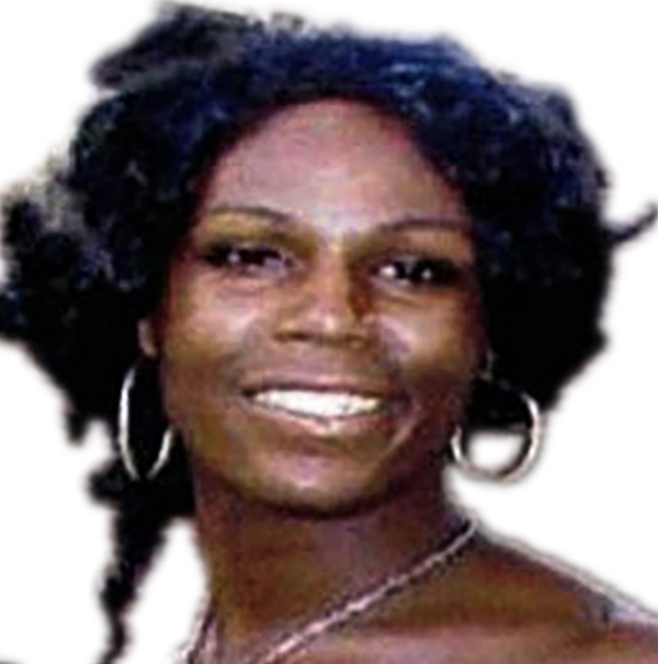
On Aug. 26, 2009, an unknown person stabbed Tyli’a Mack in the Truxton Circle neighborhood, according to MPD’s web page about Mack.
At a vigil held in Mack’s honor, Brett Parson, then-acting lieutenant of MPD’s Lesbian, Gay, Bisexual and Transgender Liaison Unit, said MPD was dedicating significant resources to solving the murder, according to a Aug. 31, 2009, Washington Blade video of the vigil.
“I want to simply assure you that all the resources available to the detectives in our homicide branch are being brought to them,” Parson said. “They have been working nonstop since this happened, and they will continue to work this case until we bring it to a closure.”
Over 16 years later, her death remains unsolved.
On Dec. 2, 2005, an unidentified person murdered Elexuis Woodland during a robbery, according to a Remembering Our Dead web page dedicated to Woodland. Woodland left behind a mother, four siblings, aunts, uncles and close friends, according to her obituary.
Over 20 years later, her death remains unsolved.
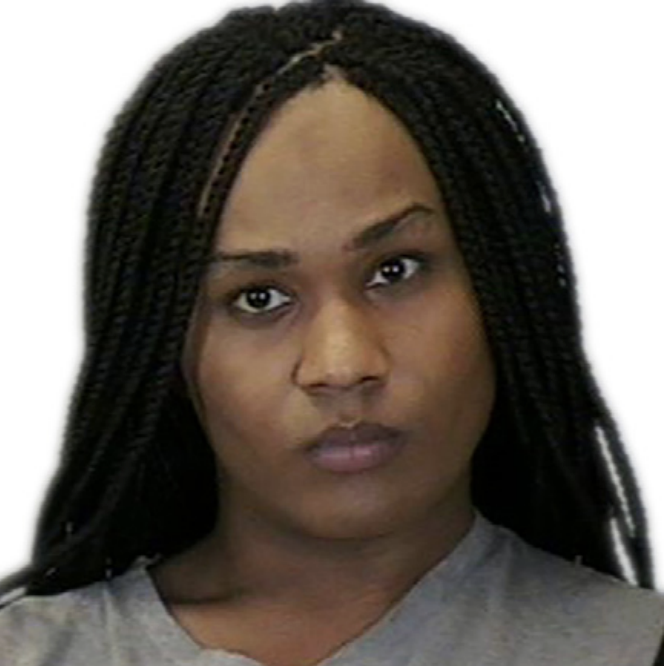
On April 23, 2000, an unidentified assailant beat Tyra Henderson to death in Columbia Heights, according to an archived May 5, 2000, Washington Blade article.
A neighbor called 911 after hearing screams, but police did not respond until two hours later.
Nearly 26 years later, her death remains unsolved.
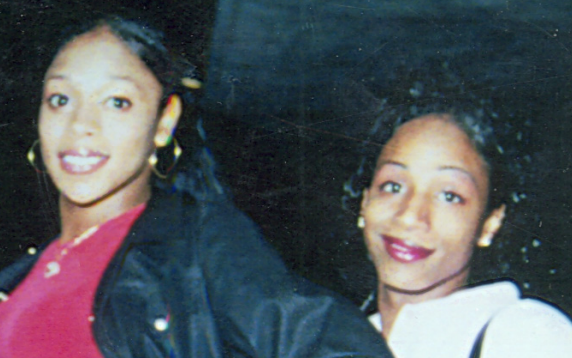
MPD identified a suspect in one case that AWOL found. On August 12, 2002, someone shot 18-year-old Ukea Davis and 19-year-old Stephanie Thomas, according to an Aug. 10, 2020, MPD press release. MPD officers discovered their bodies in a car on C Street, Southeast.
In 2020, MPD identified a suspect who the department said died in a separate homicide in 2017, according to the press release. The press release said there may be other suspects and that the case remained under investigation. But the MPD spokesperson wrote in a March 27 email to AWOL that the department closed the case with the death of the suspect and that detectives are not seeking additional suspects.
Davis’ mother, Michelle Davis, said she still had questions about the case, according to a July 30, 2020, Washington Post article.
“I just want to know, who was this person?” she said. “Was there another person? He’s been deceased since 2017, but what was he doing since 2002? Why wasn’t he brought to justice?”
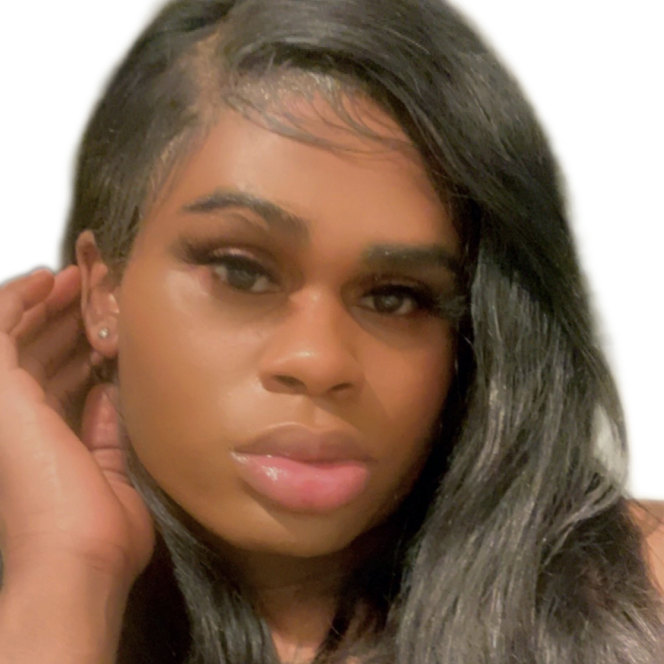
One case is currently making it through D.C. Superior Court. On July 5, 2025, an armed man fatally shot Dream Johnson four times on Benning Road, according to an affidavit that a detective submitted to the court. Witnesses said the shooting happened after an argument about Johnson’s gender identity, according to the affidavit.
Angie Terrell, Johnson’s aunt, said from the time they grew up together, she knew Johnson would be an outspoken, vibrant person, according to a July 13, 2025, video NBC4 published.
The suspect in Johnson’s shooting is being held as the case awaits a grand jury’s indictment, according to the court docket as of March 30.
Another case failed in court. A judge dismissed the case against a suspect charged for shooting Akihs Gaius Green in 2023 at prosecutors’ request, according to an Aug. 17, 2023, D.C. Witness article. In 2019, a judge said prosecutors were taking an unusual amount of time to gather and examine evidence, according to an Oct. 30, 2019, D.C. Witness article.
In a Nov. 29, 2019, Washington Blade article, Vickie McNeal, Green’s mother, said her son was preparing for top surgery before his death.
AWOL couldn’t find any record indicating that prosecutors have charged any other suspects for Green’s death.
MPD closed another case, a department spokesperson told AWOL. On Dec. 29, 2019, an unknown person shot Mia Penny amid an exchange of gunfire with private security guards on Barnaby Road, according to a Jan. 7, 2020, MPD press release. Penny was 26 years old.
Tom Lynch, an MPD spokeperson, wrote in an email to AWOL that MPD’s Homicide Branch presented the evidence from their investigation to the United States Attorney’s Office for the District of Columbia and prosecutors declined to charge the case. Timothy Lauer, the office’s director for external affairs, confirmed that the office had declined to prosecute the case in a separate email to AWOL.
Cases with no new leads or information after four years fall under the jurisdiction of the Cold Case Unit unless the assigned detective requests to keep the case, according to MPD’s web page on investigating unsolved murders. Henderson’s, Woodland’s, Tyli’a Mack’s and Mclean’s cases are therefore likely considered cold. If no new information arises in Roberson’s and Jasmine Mack’s deaths, they will likely go cold in 2027.
John Firman, who served as director of research for the International Association of Chiefs of Police for 25 years and currently teaches justice, law and criminology as an AU professor, said law enforcement departments across the country have not treated LGBTQ+ people fairly despite the prevalence of units and training dedicated to minority communities.
“The truth is that transgender women, the issue of transgender, the entire issue of LGBTQ+, the entire span of people that fall into that rubric of LGBTQ+ have been sadly misrepresented, misattended to, misaligned and mistreated,” Firman said.
Firman said police departments should represent and have more awareness of the communities they are serving. If people distrust police, they are less likely to reach out to them.
Knowing people in the community which a homicide affects helps police officers in their investigation, Firman said. Detectives need to know where to go to look for clues, suspects and interviewees, he said.
“So, if you’re not comfortable in a gay community or the Black community or any other community, you’re gonna do a crappy job at investigating because you’re gonna miss all kinds of opportunities to learn more, to gain more critical information that would solve your homicide,” Firman said.
Firman said cultural sensitivity training ensures that police officers engaging with community members can build better connections and trust.
“You have to be fully cognizant of the culture,” he said.
Mary Gavin Smith, a former police chief of Falls Church, Virginia, and an adjunct professor of justice, law and criminology at AU, said biases within police and media outlets mean that those institutions don’t give priority to Black, brown and transgender victims. She said the problem arises when institutions don’t see trans people as people of value.
“I mean, who’s going to look for somebody that’s not of value, right?” Gavin Smith said.
Gavin Smith said information helps keep the public safe and the victim’s family informed in the wake of a homicide. Police departments have to decide what information to release by determining what the public needs to know and what investigators need to keep away from the public to effectively gather evidence, Gavin Smith said.
Information can also become a tool for bringing justice. In cases when they don’t have clear DNA or video evidence off the bat, police agencies use tip lines and public contact, Gavin Smith said.
In Washington, MPD detectives and other law enforcement agencies, including the U.S. Attorney’s office, are responsible for investigating homicide cases, according to MPD’s web page for investigating unsolved murders.
In at least six of the open cases where trans people were the victims, MPD posted flyers on its website announcing a $25,000 reward for anyone who gave them information leading to an arrest. Each flyer lists points of contact for the public to reach the police, including MPD’s anonymous tip line and, sometimes, a detective’s phone number.
When investigating cases that have gone a long time without suspects, Gavin Smith said community outreach is important. When the victim is transgender, she said police have to reach out to the trans community. Police officers often don’t have enough training on transgender people, Gavin Smith said, so advocacy groups can help police understand what the victim’s mindset was and whether they had relationship problems.
With their understanding of the trans community, advocates can connect police to the community when a gap in trust would otherwise make communication difficult.
“There’s an immediate trust, or at least they know that, you know, the police department is trying,” Gavin Smith said.
Firman said cultural sensitivity training and community engagement initiatives have been on the rise in Washington. But he said there is more to being a good officer than completing training. Firman said his son is an example of one.
“His training, his ethics, his moral values,” he said of his son. “It’s his exposure to LGBTQ+ issues; everything counts for him to be a good cop on the street.”
In 1995, Firman said he worked with the U.S. Justice Department’s Office on Violence Against Women to implement more equitable trainings, protocols and hiring practices across the International Association of Chiefs of Police. Firman said the goal of this office was to bring members of minority groups into the fold.
“These are the people in your community that make up your community,” Firman said his office would communicate to departments. “So, for God’s sake, start hiring them.”
He said Washington, which he called a laboratory for innovation, is an important place for updating policing standards and initiatives. Firman said larger law enforcement agencies have more standardized procedures, which makes it easier to implement and test practices.
In 2000, MPD formed its Lesbian, Gay, Bisexual and Transgender Liaison Unit to improve the department’s focus on community engagement and provide specialized knowledge on communication with LGBTQ+ individuals, said Gary Thompson, an officer who works in MPD’s LGBT Liaison Unit. Thompson said MPD created the unit because hate crimes weren’t being reported in the district.
“The unit was started to build trust and partnerships in the LGBT community because there was a lack of trust in the community with police and a lack of reporting crimes, particularly hate crimes,” Thompson said.
Thomspon said the LGBT Liaison Unit educates officers on the transgender community by teaching lessons about asking for people’s preferred names. Thompson said that in instances of fatality, like homicides, the unit helps in coordinating funerals, arrangements and compensation through city funding for victims of crime. MPD is the first in the nation to have a unit fully dedicated to the LGBTQ+ community, according to an article in Harvard University’s LGBTQ Policy Journal.
While the LGBT Liaison Unit is not specifically aimed towards transgender individuals, Takai said MPD has worked with Metro D.C. PFLAG to extend resources to trans community members and crime victims.
Takai said his engagement with the Unit has been responsive to his community.
Thompson said relations and attitudes towards the transgender community have become more positive during his time with the unit. Looking forward, Thompson said showing up and being present for members of the LGBTQ+ community is the best way to continue to convey the unit’s allyship and build trust.
“I found that those relationships were built just by being in their presence, listening to their concerns and just being an ear and an ally for them,” Thompson said.
Correction: The print version of this article incorrectly attributed the photo of Ukea Davis and Stephanie Thomas to an MPD homicide victim story in its caption. The photo was published in an MPD homicide victim flyer, not a story, which the photo’s caption now reflects.
This article was originally published in Issue 38 of AWOL’s magazine as “Cases without convictions” on April 15. Read the issue here.
Stevie Rosenfeld, Will Sytsma and Caleb Ogilvie contributed to this story.
Edited by Stevie Rosenfeld, Lucas Powers, Will Sytsma and Caleb Ogilvie.