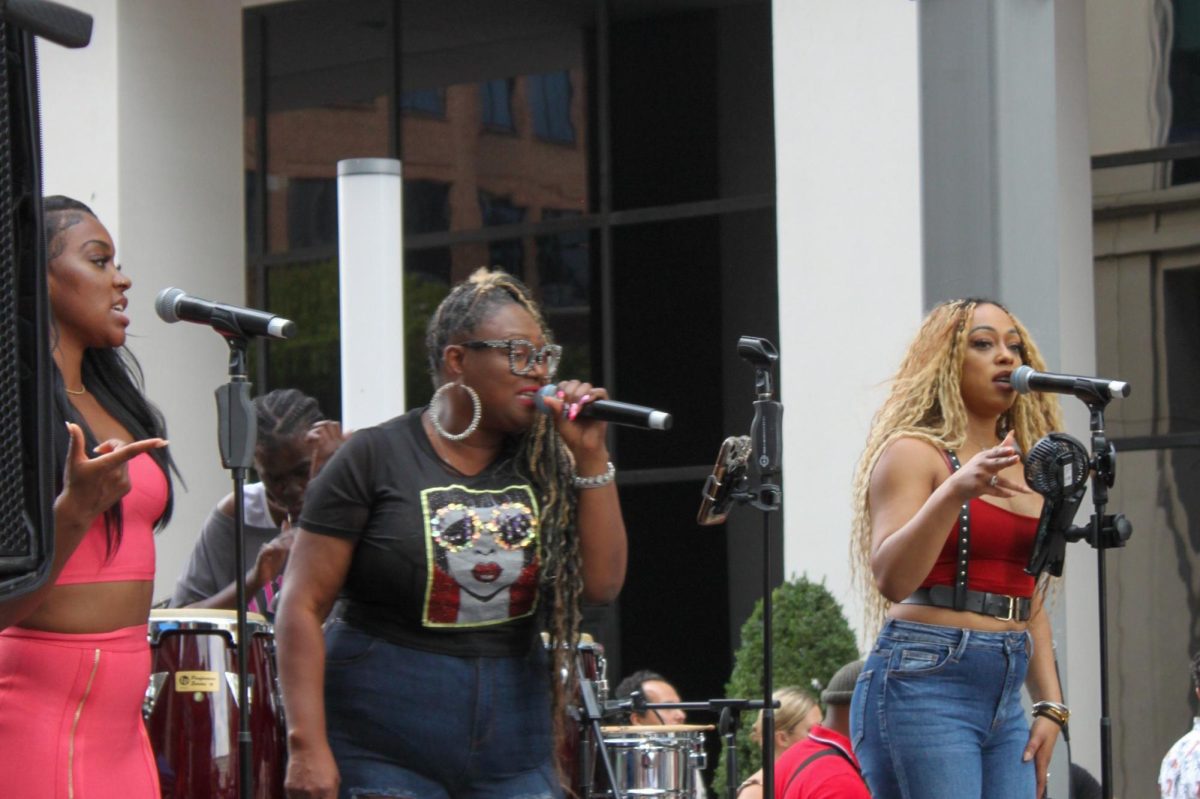


In a small back room in Northwest Washington, during the frigid month of January, the air was thick with laughter. Purple and red lights illuminated the space, highlighting the drum, saxophone and cowbell on the stage.
Samba and jazz music pulsed through the room, and hardly anyone stood still. Heels rhythmically struck the hardwood floor as some people spun and others swayed. The crowd moved together. People from different walks of life, ages and races joined together to dance.
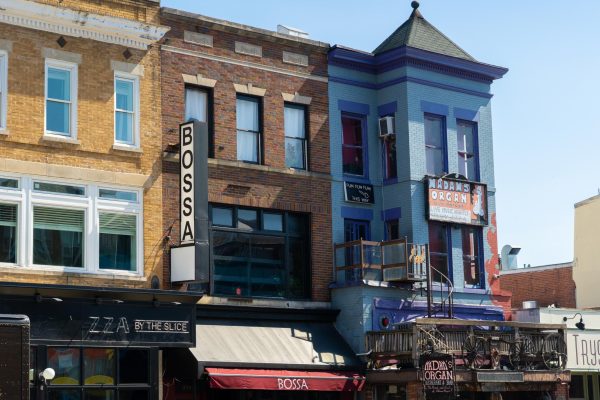
This dance floor, tucked away inside Bossa Bistro + Lounge in Adams Morgan, is more than just another part of Washington’s nightlife. Spaces like Bossa in studios, restaurants and bars across the city have become gathering places for people from different backgrounds to come together through movement, people who dance in or own those spaces said. Dance, they said, gives people a space to release, grow and connect with others in Washington.
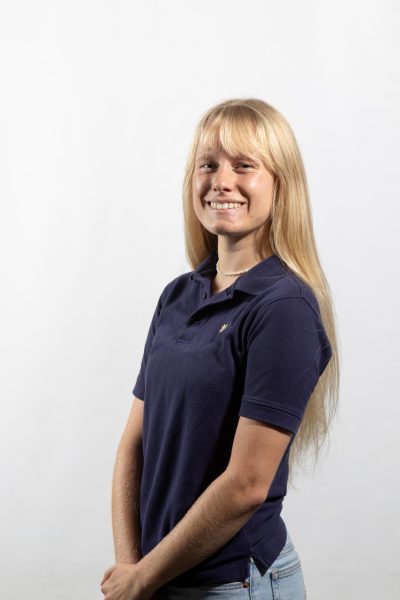
Kelley Hernandez frequently attends salsa nights at Public Bar in Dupont Circle, she said. When she does, she said she pays no attention to her thoughts. She might notice the music, her friends nearby or her dance partner’s moves. But she said it’s not that deep.
“No thoughts, I’m just dancing,” Hernandez said.
Hernandez started dancing after she graduated from the University of California at Berkeley and moved to Washington. She said she began going to Casta’s Rum Bar, a Cuba-inspired venue in Foggy Bottom, with a small group of friends. She later found out about Public Bar’s weekly salsa nights.
Through salsa, she said she created a community for herself. Week after week, Hernandez said she has met new people at the studio. She described Public Bar as a place of enjoyment where political conversations are left outside.
“I might not know them, but I know we have one thing in common,” Hernandez said. “We want to dance.”
Washington’s Latin American community grew in the 20th century. According to a 2025 study of the community’s evolution, many Latino families immigrated to neighborhoods like Adams Morgan and Mount Pleasant between 1943 and 1991 looking for job opportunities. Around 11% of Washington’s population now identifies as Hispanic or Latino, according to 2020 data from the United States Census Bureau.
Hernandez said the people she dances with aren’t just Latin American — they come from different backgrounds. She said dancing salsa creates a “beautiful melting pot of people.”
Still, the style that Hernandez dances has roots in Latin American culture.
During the 16th century, Spanish colonizers transported enslaved Africans to countries like Cuba and the Dominican Republic, according to a May 14, 2025, article on the National Park Service’s website. Enslaved people kept their style of music and fused them with European ones, eventually inspiring salsa.
The different dance styles are a response to poverty, exploitation and oppression, according to a Nov. 12, 2023, Indy Liberation Center article.
Over time, these traditions have evolved into modern-day dance styles such as bachata, salsa and merengue, according to a web page about the styles published by the Connecticut-based Fred Astaire Dance Studios. Family gatherings and cultural events kept dance alive through generations, preserving the stories of resilience, making dance an essential part of Latin American culture.
Having a particular dance style only prominent in one specific community fosters social cohesion within the working class, according to a 2023 study. It acts as both a social release and a way to reclaim their dignity through movement.
Since President Donald Trump’s inauguration, mass deportations have hit Latin American communities across the country. According to a Nov. 24, 2025, Pew Research Center report, 52% of Latino people said they worry that Department of Homeland Security officers may deport them or someone close to them. That share is higher than it was when former President Joe Biden was in office and than it was during Trump’s first term.
Silvia Alexiev, the owner of Salsa with Silvia, said a variety of people take classes with her company, including Latin American and Spanish-speaking students.
Many of the dance instructors that work at the studio are Latino, Alexiev said, which helps foster authenticity and connection in the classroom since dance is a part of their own cultural story.
“I do want to welcome everyone, and we have a lot of Latin American students, a lot of students that are Spanish-speaking students,” Alexiev said. “And it really helps that majority of our staff is Spanish-speaking, so it makes it less intimidating for them, because some of them, their English is not that great, and it makes a difference when the staff speaks Spanish.”
Alexiev said she wants every student who walks into her dance studio to feel the same sense of belonging she experienced when she started dancing at six years old.
But, last year, lots of students stopped coming to classes at her company, which has Washington and Bethesda, Maryland locations, Alexiev said. Some of them said it was because they lost their job, Alexiev said, but she also thinks immigration policies led to people leaving.
“I’m assuming that some of our students were probably undocumented,” Alexiev said. “So, for that reason, they stopped coming to class, and I noticed that specifically with the D.C. location.”
At the same time, Hernandez has seen the opposite trend. Since January, Hernandez said the amount of people who she goes to salsa with has tripled. Every week, she meets someone new, and she recognizes people from times before.
Hernandez said dance spaces allow people to leave political worries at the door. She said people just want to dance and forget. Politics can change the space’s vibe and can get in the way of people’s learning, Hernandez said. She said the break that dance provides draws her back week after week.
“It’s just to break up the week, to have fun and to give myself something to look forward to,” she said.
Katie Patrick, a dance teacher at Vavá United School of Samba in Columbia Heights, said she has seen dance’s ability to connect people firsthand.
Patrick said she started dancing at a young age and fell in love with samba in early adulthood.
The samba dance style originates from Brazil, is designed for one or two people and is often performed during celebrations, according to an article on the style published by Bella Ballroom Dance Studio, a California-based studio.
Patrick has been teaching samba at Vavá for over 10 years while also being a Washington tour guide.
In 2025, Vavá participated in Fiesta DC, a Latino festival which celebrates Latino culture across the area by providing a shared space for discussing and celebration, according to the “About Us” section on its website.
Patrick said the festival was a beautiful representation of Latin American culture and a way to keep traditions alive through the remembrance of Latin dance roots.
For Alexiev, the Salsa with Silvia owner, dancing is more than just an art form. She said it is a way to survive.
“Dance has always been there for me,” Alexiev said.
Before she opened her first studio in 2016, Alexiev was teaching lessons from the basement of her home, she said. Today, a decade and two studios later, many students continue coming to Alexiev’s classes week after week and year after year, even if some have recently left.
“They start believing in their ability to grow,” Alexiev said.
Alexiev also said some of her students describe the feeling of dance as completely unique, which Alexiev attributes as a reason people come back to her classes.
“Scientifically, for a person that dances, there are a lot of chemicals that kind of over take your body,” Alexiev said.
Taking part in structured dance for at least six weeks can greatly enhance psychological and cognitive well-being, according to a 2024 study by University of Sydney researchers. The study also indicates dance might be more effective than other types of exercise for improving emotional health, reducing depression and increasing motivation, partly because it boosts serotonin levels.
For each person, dance spaces serve a different purpose.
For Patrick, they’re proof that history can not be erased.
For Aleixiev, they’re her livelihood and source of hope.
For Hernandez, they’re her release and opportunity to share a space with friends.
“We can share culture in there,” Hernandez said.
This article was originally published in Issue 38 of AWOL’s magazine as “Dancing in community” on April 15. Read the issue here.
Edited by Clair Sapilewski, Kate Kessler, Ava Ramsdale, Will Sytsma and Caleb Ogilvie.