

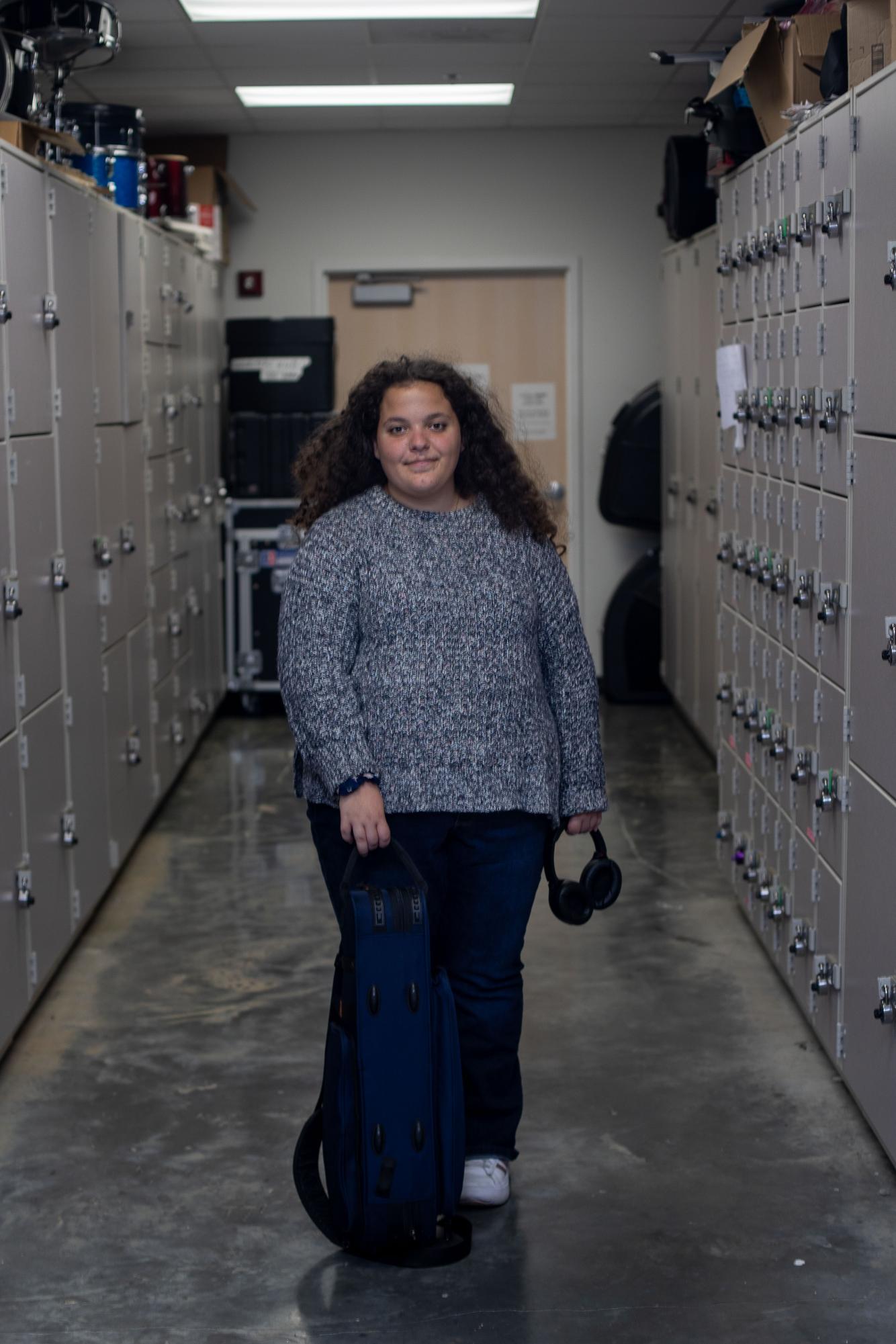
Throughout her college career at American University, senior Graziella Gulli became accustomed to taking music lessons as part of the Department of Performing Arts’ Applied Music Program. But when Gulli stepped into the performing arts department’s Welcome Back Night on Aug. 27, she said she realized something significant had changed within the program.
“I heard that we get 13 weeks of lessons instead of the usual 15, I believe, even though we’re paying for 15,” Gulli said.
The program provides students with private instruction with a member of the Applied Music faculty, according to the AU website.
Nancy Jo Snider, the program’s director, estimated the number of students enrolled in Applied Music is in the mid-100s. She said lessons are a vital part of their experience.
“In our culture, if we’re trying to develop and hone our skills as musicians, this kind of training, this one-on-one instruction is the way that we do it,” Snider said. “It’s imperative, it’s essential, it’s necessary, it’s critical. You can’t have a music program and not have lessons.”
Over the summer, the performing arts department underwent budget realignments that reduced the program’s access and funding. Students and faculty are now grappling with how to advocate for musical instruction while under financial constraints.
In response to the shortening of the program and limitations on eligibility for non-music students, students created a petition to ask for recognition, which led to an open meeting with performing arts department faculty. While the administration said the budget changes were financially necessary, students said they were frustrated by the lack of communication and consideration for how the changes affected them academically and socially.
“An impossible task”
Performing arts department Chair Daniel Abraham said the department’s overall budget remained the same. However, the reduced funding he was expecting. Snider said it was necessary to make tough decisions within the budget constraints she was given, including shortening the program from 15 weeks to 13.
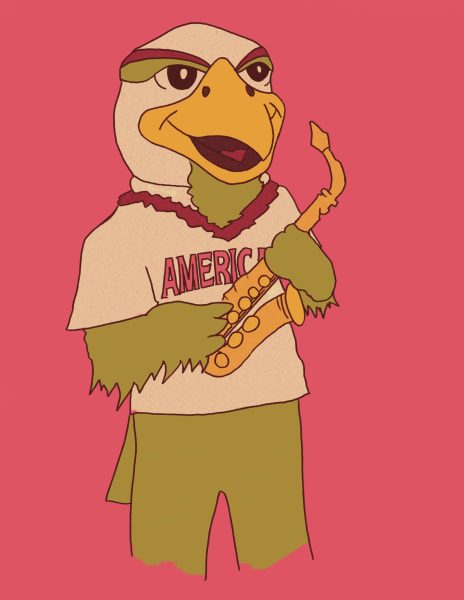
“We were given an impossible task, and so we did our best to meet it,” Snider said.
Even with fewer weeks of instruction, applied lessons are still credit-bearing courses. Snider said students are still required to pay the same tuition as last year.
“If you’re enrolled in a course for the semester, it seems like you should get a semester’s worth of lessons, so that’s an issue,” Snider said.
Non-music majors and faculty members were also hit by these changes. Last semester, students in music ensembles could choose between hour-long lessons for two credits or 30-minute lessons for one. Now, they’re limited to the 30-minute option. Snider said the readjusted budget affected the overall eligibility of students who had previously been able to take Applied Music lessons as part of their AU curriculum, even if they were not music majors.
With fewer available teaching hours, including a significant reduction in collaborative piano hours, the program could no longer accommodate the same number of students prompting a change in the program’s eligibility requirements, Snider said.
Snider said because of these eligibility restrictions, the program now has less than half the students it used to.
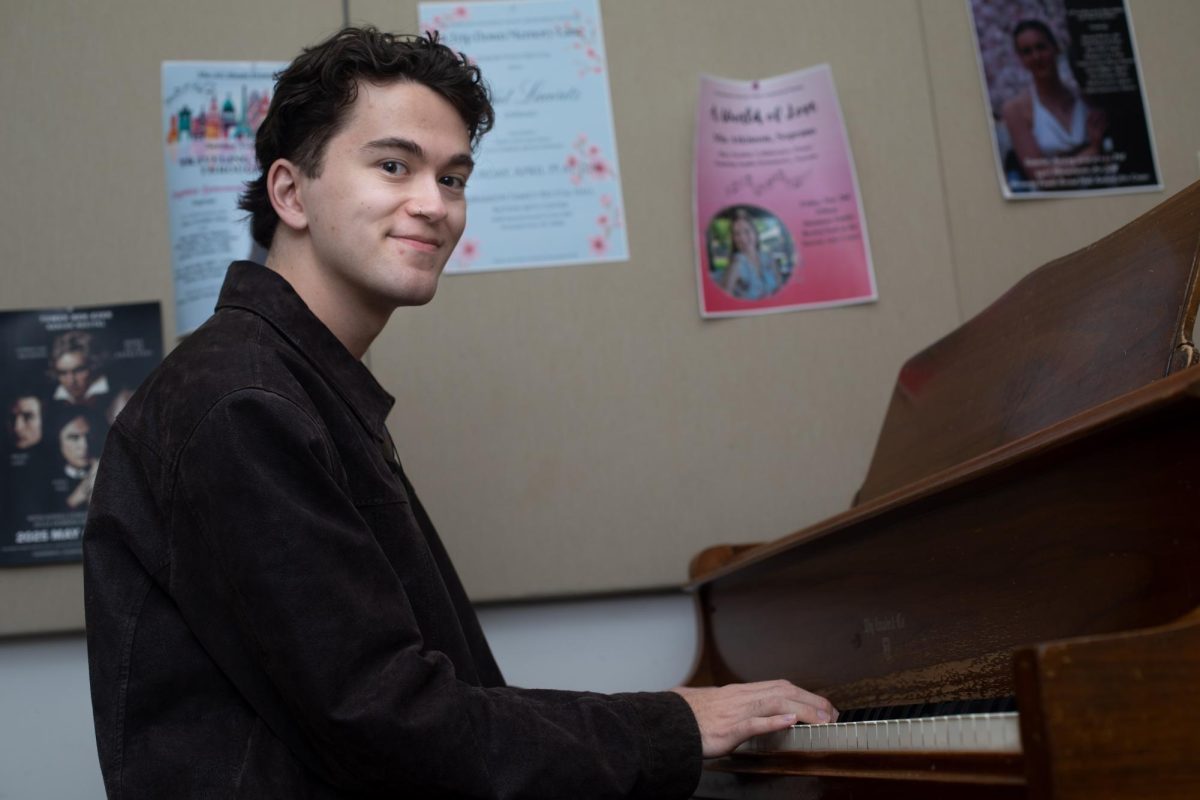
Senior and pep band member Joe Wagner, an environmental science and public health major, had already opted for 30-minute piano lessons before the department announced the cutbacks. He said he was worried he would not have access to the same opportunities as music students due to the budget realignments. Last academic year, Wagner said he performed piano in the Applied Music Performance Lab, a course required to take Applied Music lessons, according to the AU website. But this year, he said performance slots were limited to only music majors, some music minors and musical theater majors.
“I like performing APML,” Wagner said. “It felt like I had a reason to be there.”
Snider said the budget realignments, though intended to be fair, had disproportionately affected the Applied Music Program due to its reliance on part-time instructors.
“It feels like we’ve been hit very hard,” she said.
Snider said even though part-time faculty can fill gaps in the department, the reduction in lesson length and overall program duration has limited the number of hours available, resulting in lower overall compensation for instructors.
Snider said pianists were most heavily impacted, with collaborative piano accommodations being cut by nearly half. She said she was in daily contact with them as they financially struggled to adjust to their decreased hours.
“The money that they’re getting paid is very different because of that,” Snider said.
Funding changes also lead to the removal of the coordinator of vocal studies position. The role was previously held by Performing Arts Professor Ethan Watermeier, but Snider wrote in a follow-up email to AWOL that the role has yet to be filled this semester.
“They will not replace this position anytime soon (despite the large amount of work and responsibility it entails) and all of those tasks have fallen to me,” Snider wrote in the email.
“We need answers”
During registration for this academic year, Snider told ineligible non-music majors and certain music minors that they were now unable to take hour-long lessons.
After being informed of the realignments, Wagner, the pep band member, said he wished the performing arts department were more inclusive of non-music majors overall.
“You have to be studying music in order to get the full advantages of the cool things that they’re offering,” Wagner said.
Gulli, the Applied Music student, said Abraham and Snider didn’t inform eligible music students about the changes to the program through any official university communication. As a result, she said, students were initially confused.
“I was just kind of, like, really confused,” Gulli said. “I think I didn’t really understand the impact of it at the time, especially when you see people frustrated that you don’t usually see people frustrated.”
Abraham said Snider likely communicated the finalized changes to the Applied Music faculty through email around July. Abraham expected instructors to relay the message to their students. He said he was unsure if the news was conveyed effectively.
Snider said she was also not aware of any official communication to the students. She said nothing came from Abraham’s office addressing the changes.
“I think it was left to the individual programs to disseminate information,” Snider said. “And to my knowledge, there wasn’t, I don’t know of, any formal communication to the students.”
Due to the limited communication and a lack of clarity about the changes, Snider said pushback has led to a progressively growing student movement.
“Since the start of school, it’s been a natural awareness,” Snider said, referring to students organizing in response to the changes. “And then the awareness transferred itself into dialogue. The dialogue transferred itself into this, kind of, ‘We need answers.’”
Students sent an open letter to Abraham expressing their frustrations with changes to the program, Gulli said. The letter was posted to Instagram under the account “au_concerned.dpa.students.” It listed concerns about the number of lessons in a semester, tuition prices, the removal of the vocal coordinator position and the cuts to collaborative pianists’ hours. Most no- tably, students advocated for a meeting to discuss the cause of the changes.
“We hope the DPA community can be given clearer communication about upcoming changes and opportunities to contribute ideas,” the student letter read. “For instance, student performances often serve as fundraisers and outreach events — initiatives like these could help support both the university and the financial needs of the department.”
The letter was sent to Abraham through email on Sept. 26.
Four days later, students on the AU Music Students emailing list received a message about an open meeting with Abraham. The email described the meeting as “a discussion regarding budget, policy, and the future of the DPA.”
The meeting, held on Oct. 3, served as a bridge between the administrative side of the performing arts department and the students, Abraham said. He said it wasn’t solely focused on Applied Music; dance students also attended and raised concerns about reduced faculty in their department. Abraham said that while the department faces challenges like any other unit on campus, he remains optimistic about its future.
Abraham said he wished he could have communicated with students more directly about changes that occurred to Applied Music, but because so many details were in flux for the first two weeks of the semester, it was difficult to give them a clear explanation. He said he hopes to continue meetings like the one held on Oct. 3 to further foster communication in the department and to celebrate its successes.
“So that’s something I’m going to work towards, at least in the spring, if not maybe even later this semester, to have kind of more open, full DPA meetings,”
Abraham said.
Snider said the tightened budget put Abraham in a difficult position.
“He’s just the man who’s been given the impossible task,” she said. “But, you know, he’s going to talk up the chain and
down the chain.”
For Gulli, the fact that students sent the open letter instead of faculty was significant. Unlike faculty who may fear for their job security, she said students have greater freedom to speak out.
“It’s not coming from the collaborative pianist whose wages got cut, it’s not coming from our personal private lesson instructors, it’s coming from us because we’re annoyed and confused and frustrated,” Gulli said.
The resilience of the department, despite the changes, stemmed from a strong sense of community, Gulli said. She said the movement gives her hope.
“There’s just, like, so much love in the department. I think that’s really important to talk about,” she said.
Snider, also tasked with the “impossible,” said she remains optimistic about the power of music.
“There’s a lot to celebrate here at the same time that we’re facing these challenges, if we can face them together and equitably, with loving hearts, I think that we’ll find our way,” she said.
Clarification: Gulli said Applied Music students are receiving 13 weeks of lessons instead of 15 weeks of lessons. In fall semesters, students previously received 15 weeks of lessons including Thanksgiving break. They currently receive 13 weeks of lessons not including Thanksgiving break.
This article was originally published in Issue 37 of AWOL’s magazine on November 17, 2025. You can see the rest of the issue here.
Edited by Ava Ramsdale, Kyle Galvin, Ben Austin, Will Sytsma, Caleb Ogilvie and Kalie Walker.