
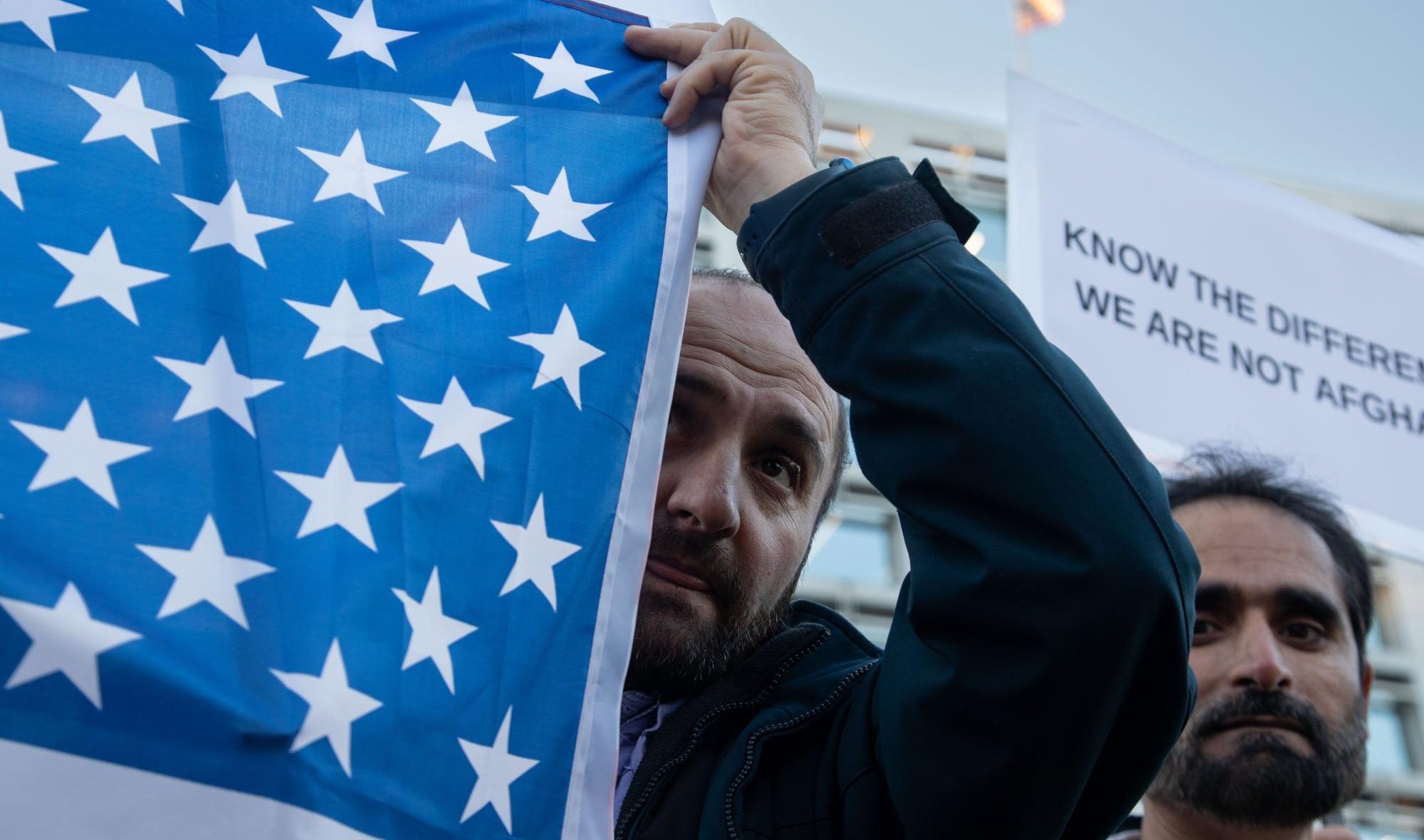
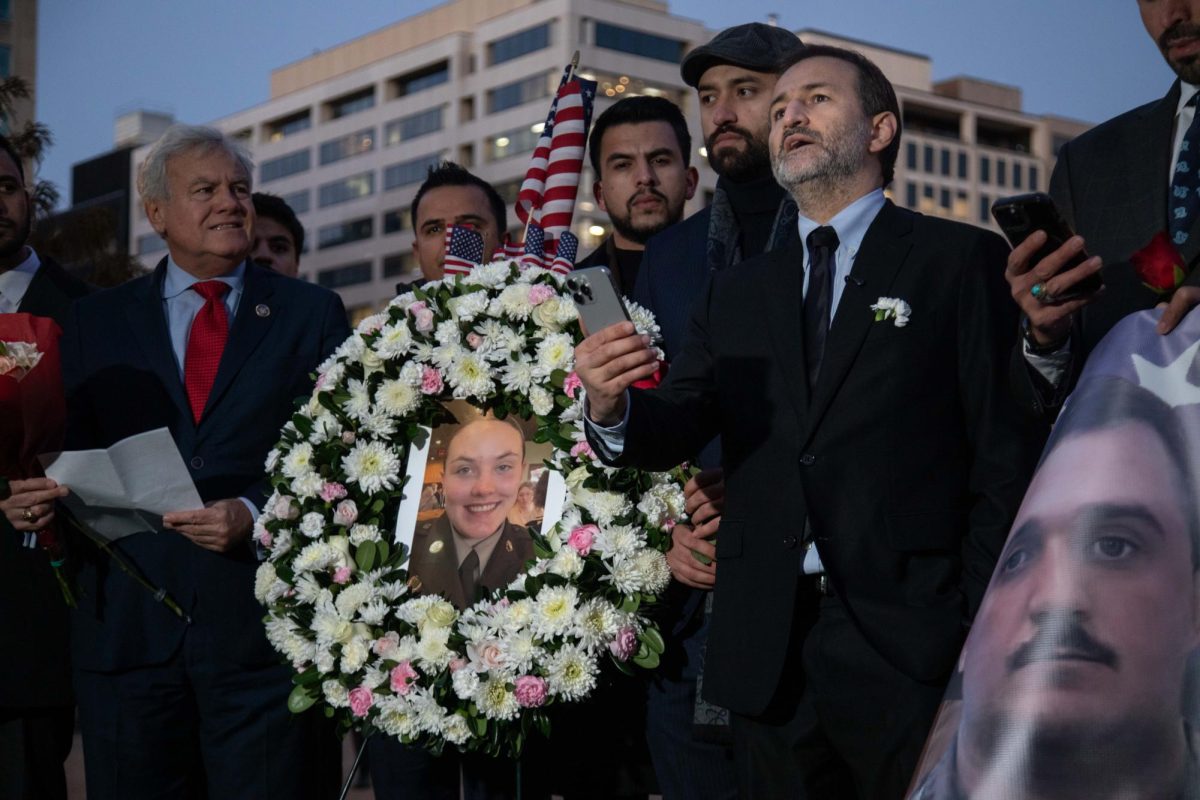
Over 50 Tajiks, Uzbeks and Hazaran immigrants from Afghanistan assembled in Farragut Square on Dec. 3 in solidarity with victims of violence in the National Guard, declaring their distinction from Afghanistan’s dominant ethnic group.
They gathered amidst a crackdown on immigration from Afghanistan, seven days after an Afghan national allegedly shot two National Guard members, killing one of them. Attendees at the part-protest, part-vigil said they did not identify as Afghans and did not want to be held responsible for crimes by Afghanistan’s dominant ethnic group, like the shooting.
“We take this opportunity first to condemn this act of terror, share our sympathy and empathy,” Abdullah Khodadad, a Tajik activist who spoke at the demonstration, said in an interview. “We are victims of the same terrorism act for decades in Afghanistan. We come here to say, first, we are not Afghans.”
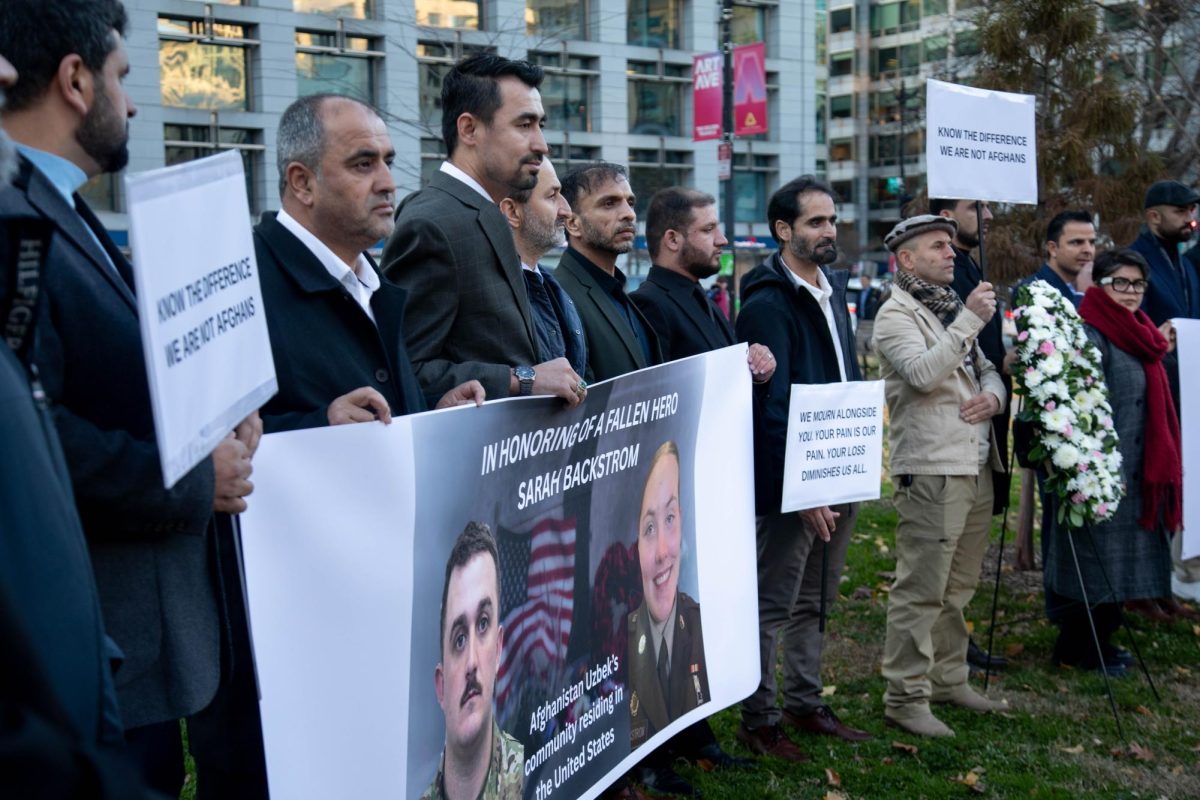
On Nov. 26, an Afghan national named Rahmanullah Lakanwal allegedly shot two National Guard members by the Farragut West Metro station, according to a Dec. 2 press release from the U.S. Attorney’s Office for the District of Columbia. Sarah Beckstrom, one of the victims, passed away the following day.
Lakanwal pleaded not guilty, according to a Dec. 2 Associated Press article. He served in a counterterrorism unit under the CIA in Afghanistan, then came to the United States after the fall of the U.S.-backed Afghan government to the Taliban in 2021, according to a Nov. 27 Washington Post article. The Post reported that he is Pashtun.
In response to the shooting, U.S. Citizenship and Immigration Services said in a Dec. 2 memo that it would hold all applications for green cards, residency and travel documents for immigrants from Afghanistan and 18 other countries named in a June 4 travel ban.
Pashtuns are a part of Afghanistan’s complex, fluid ethnoscape. The nation’s 2004 constitution recognized over 14 ethnic groups, including Pashtuns, Tajiks, Uzbeks and Hazarans.
Afghanistan’s name, meaning “country of Afghans,” historically refers to Pashtuns, who are considered the nation’s largest and most influential ethnic group, according to a 2005 article by central Asia scholar Conrad Schetter.
There is no definitive census of the ethnic groups’ relative sizes. Ethnic group membership in Afghanistan is highly permeable, shifting along sociopolitical lines, and Afghan politicians inflate the size of their own ethnic groups in data, according to the article.
Khodadad said the term Afghan was wrongly forced upon the nation’s other ethnic groups. He said he would prefer to be called Khorasani, a term referring to a Persian-speaking region of modern-day Afghanistan and Iran called Khorasan.
“Nobody asked us when they named our country Afghanistan,” Khodadad said.
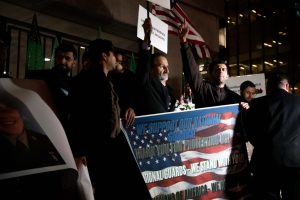
He said he thanked President Donald Trump for working to make America safe, and asked him to help Khorasanis distinguish themselves from Afghanistan in official documentation, like passports.
“We do not want our passports to be like, Afghan passport, or Afghanistan passport,” Khodadad said. “We do not accept name of this country.”
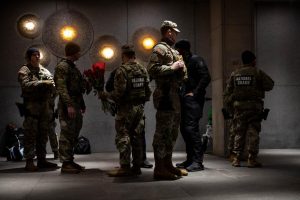
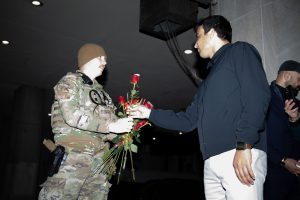
Protestors chanted this sentiment to rush hour commuters around Farragut Square before crossing the street to eulogize Beckstrom at the Farragut West Metro station, where she was shot. They lit candles at the memorial set up for Beckstrom and handed red roses to a nearby National Guard member, thanking him for protecting Washington.
Chants included “No to Taliban” and “Call us Khorasanis, please.”
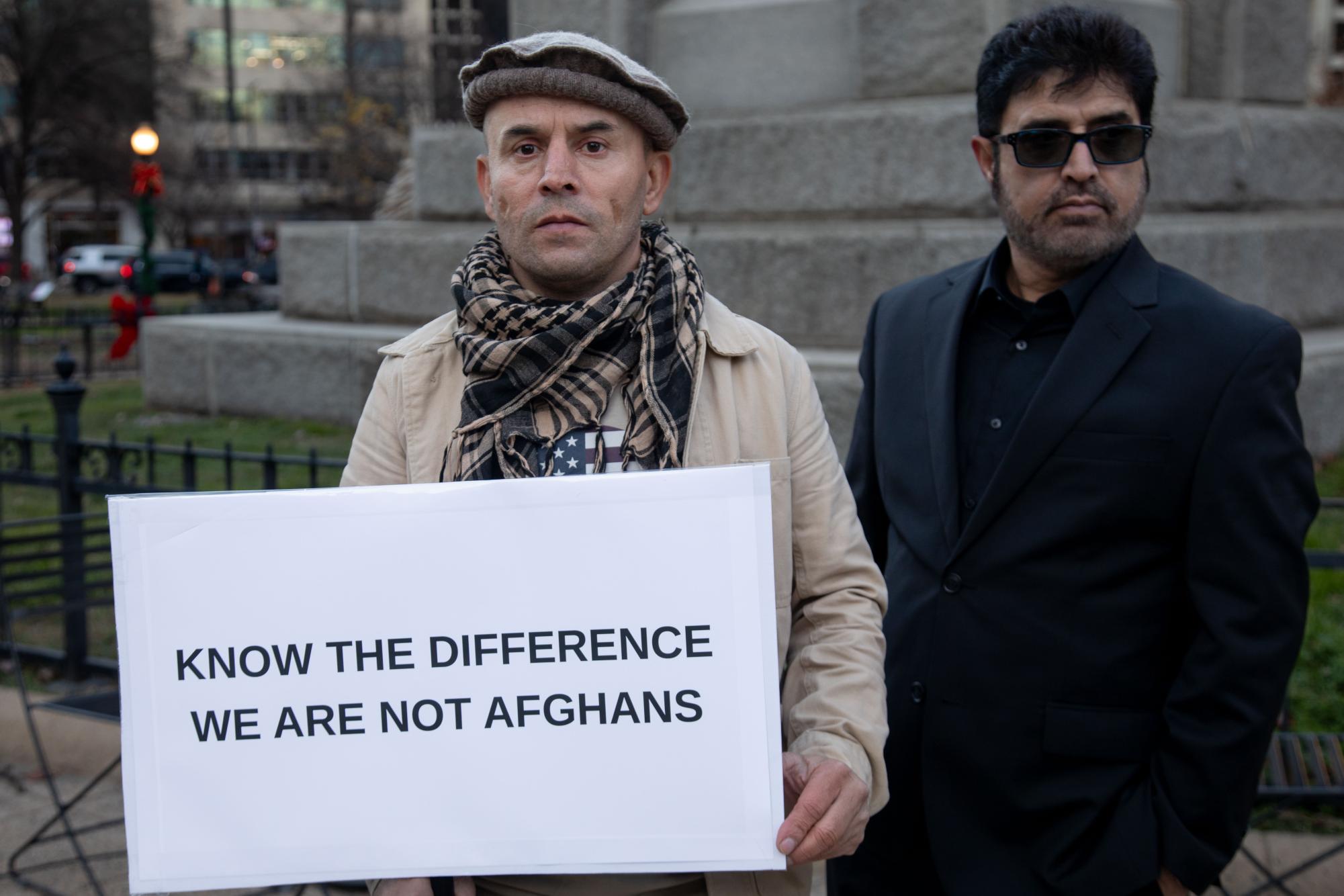
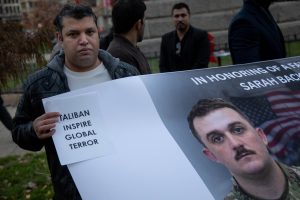
Abdullah Nikyar, 43, said he came to the U.S, six years ago. He said members of the Taliban would persecute him if he returned to Afghanistan because he worked for a logistics company that served the U.S. military. For him, protesting was a way to display his sadness about the shooting.
Habib Marzi, 58, left Afghanistan in 1983 after the Soviet Union invaded the country. He said the shooting paralleled violence by the Taliban in Afghanistan since 2021.
“We’re against it,” Marzi said. “And we’re here to let the world know that the Tajiks are burning in it, too.”
Edited by Caleb Ogilvie.