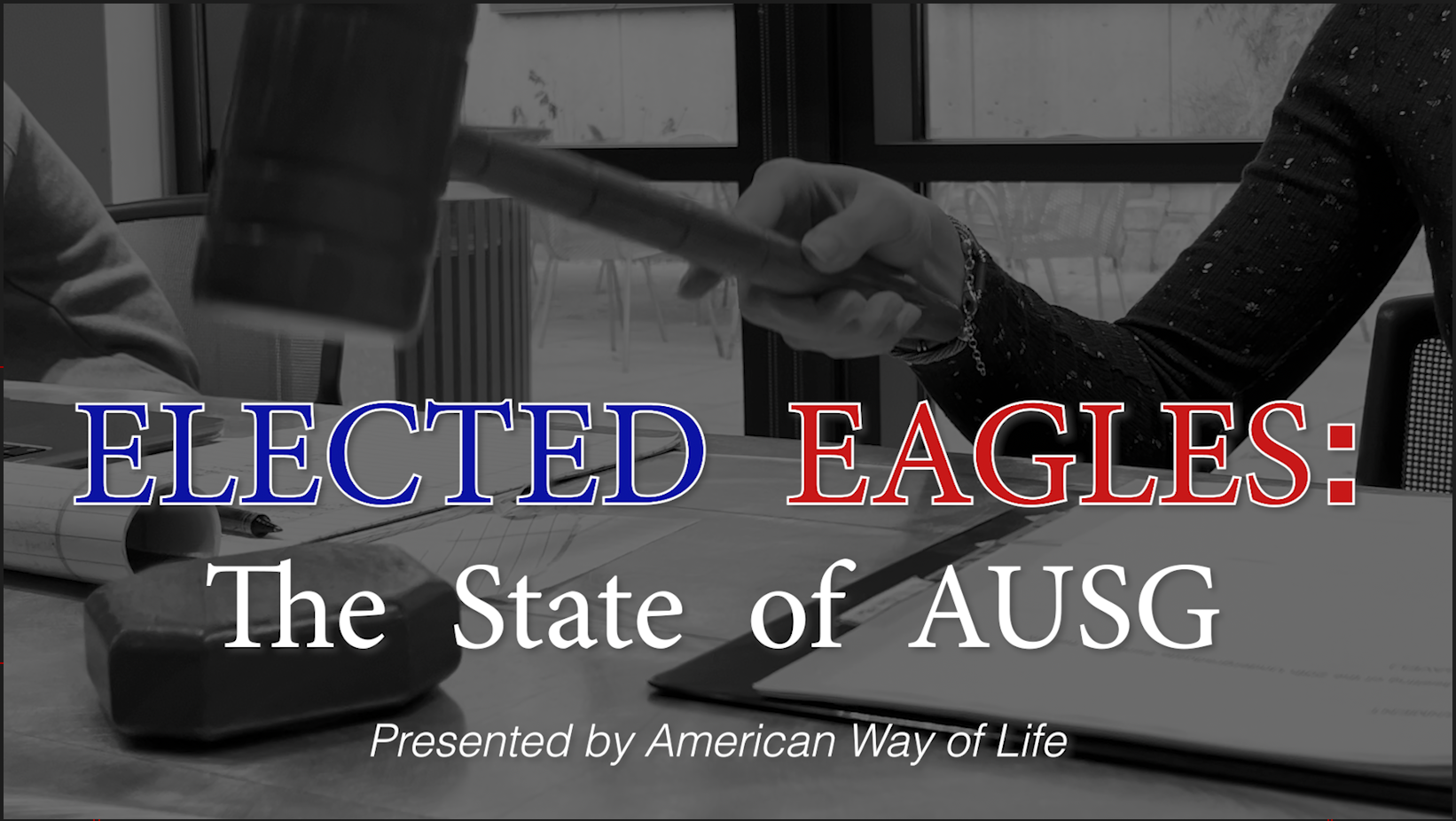

This semester, AWOL’s multimedia team investigated what American University’s recent R1 designation status means to faculty and students, and how funding and administrative support helped research labs contribute to this achievement.
In February, the Carnegie Classification of Institutions of Higher Education updated the requirements for each research level’s classification, resulting in 187 out of 3,927 schools receiving an R1 designation, according to the Carnegie Classification’s website. AU made the R1 cut for the first time in the school’s history.
Many professors AWOL spoke to said they were happy their research endeavors have gained recognition. Karen Knee, an associate professor and the director of the undergraduate program for environmental science, said she’s seen exciting research occurring in her department since she started at AU.
“I would say we’ve been doing R1 caliber research the whole time,” Knee said.
Students in scientific fields said they felt reassured after the designation, especially because STEM programs at AU are often overlooked. When biology sophomore Querra Thomas first came to AU, she said she questioned if she was in the right place for her degree.
“Just knowing that kind of gives me a little boost, and like I’m in the right place and this is what I want to do,” Thomas said, referring to the designation.
Despite the R1 designation, some professors cite a continued lack of support for research programs from the university and federal administration, said Dave Haaga, the director of the Clinical Psychology Research Lab. He said AU’s budget constraints and federal grant cuts mean the funding and resources for many labs have been strained – which could impact the university’s R1 status in the future, though, it’s too early to tell.
Kim Blankenship, associate dean of research in the College of Arts and Sciences, said she hopes the R1 status indicates a step toward the right direction for AU’s reputation as an accredited research institution.
“It’s a hard time to be optimistic, but I try to stay optimistic,” Blankenship said.
To learn more, visit AWOL’s YouTube channel or visit awolau.org to see the documentary, out now.